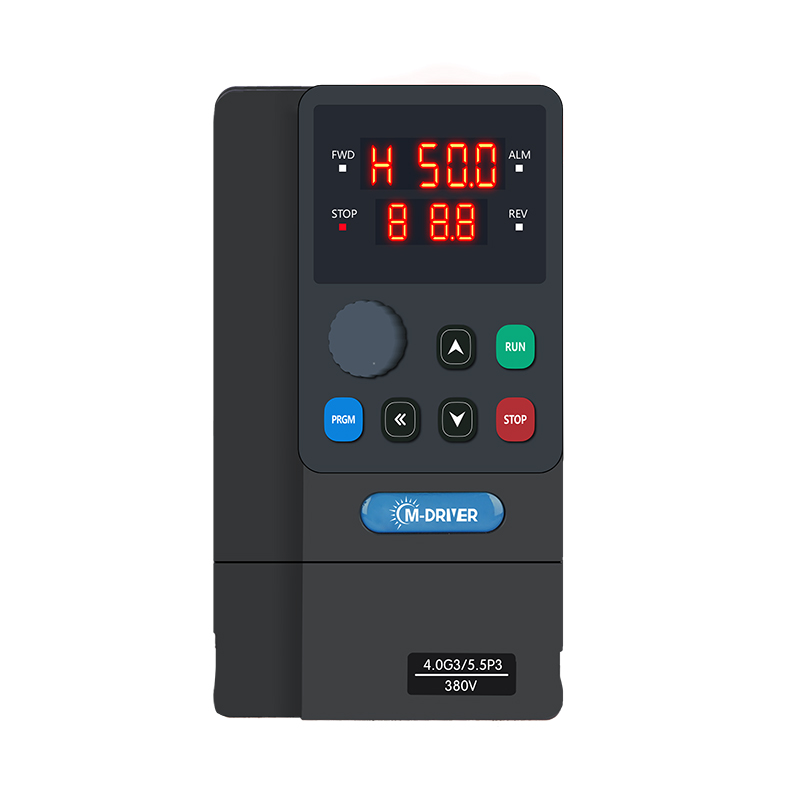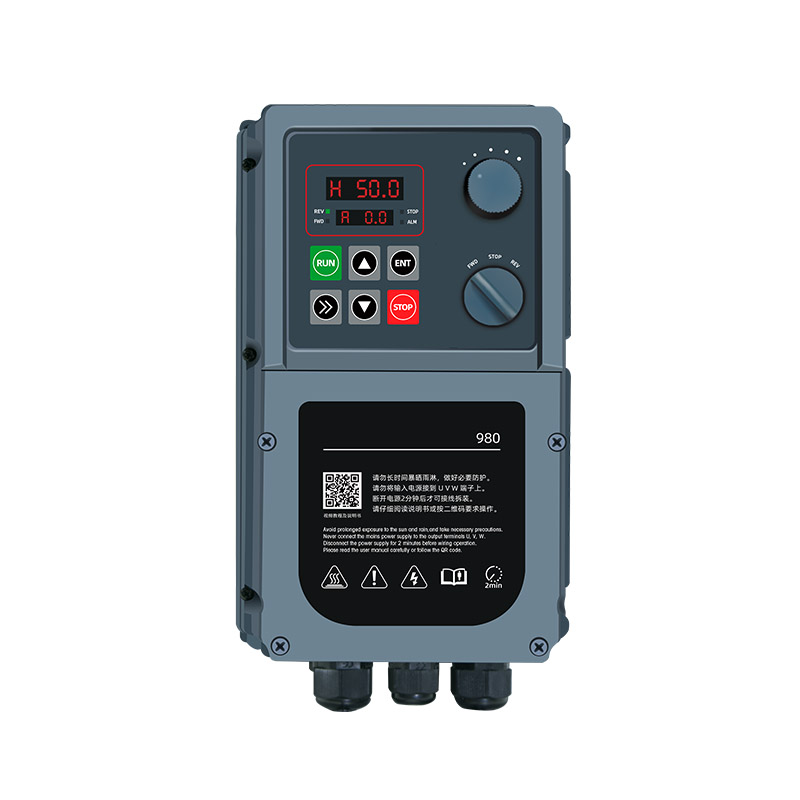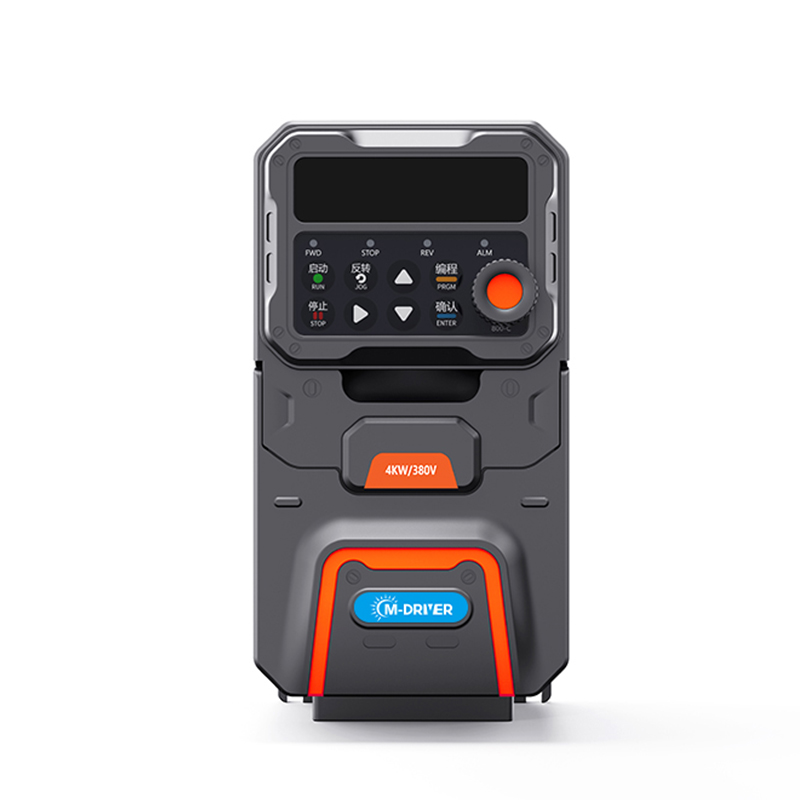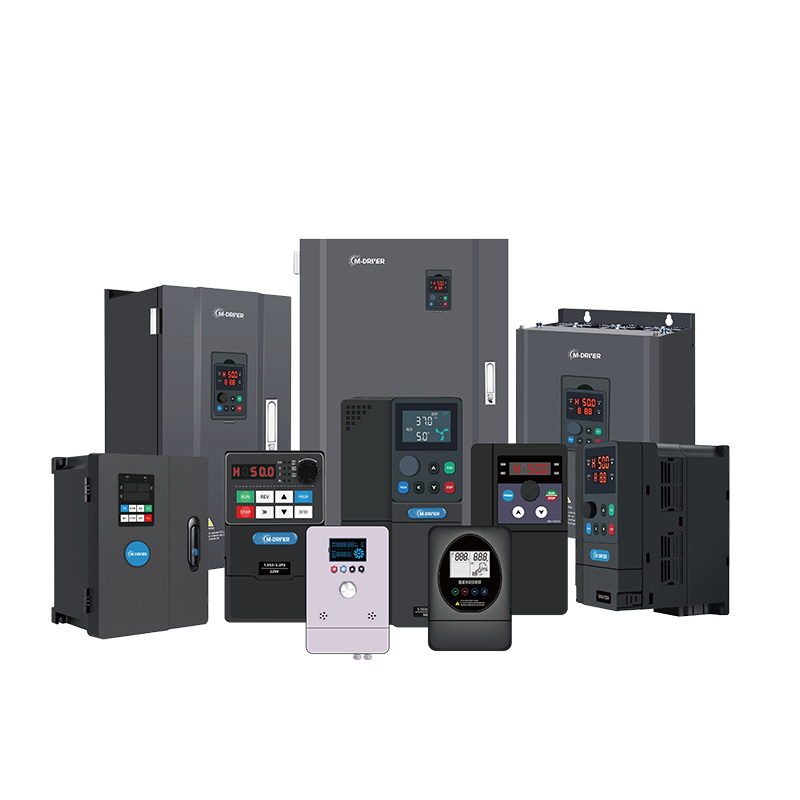

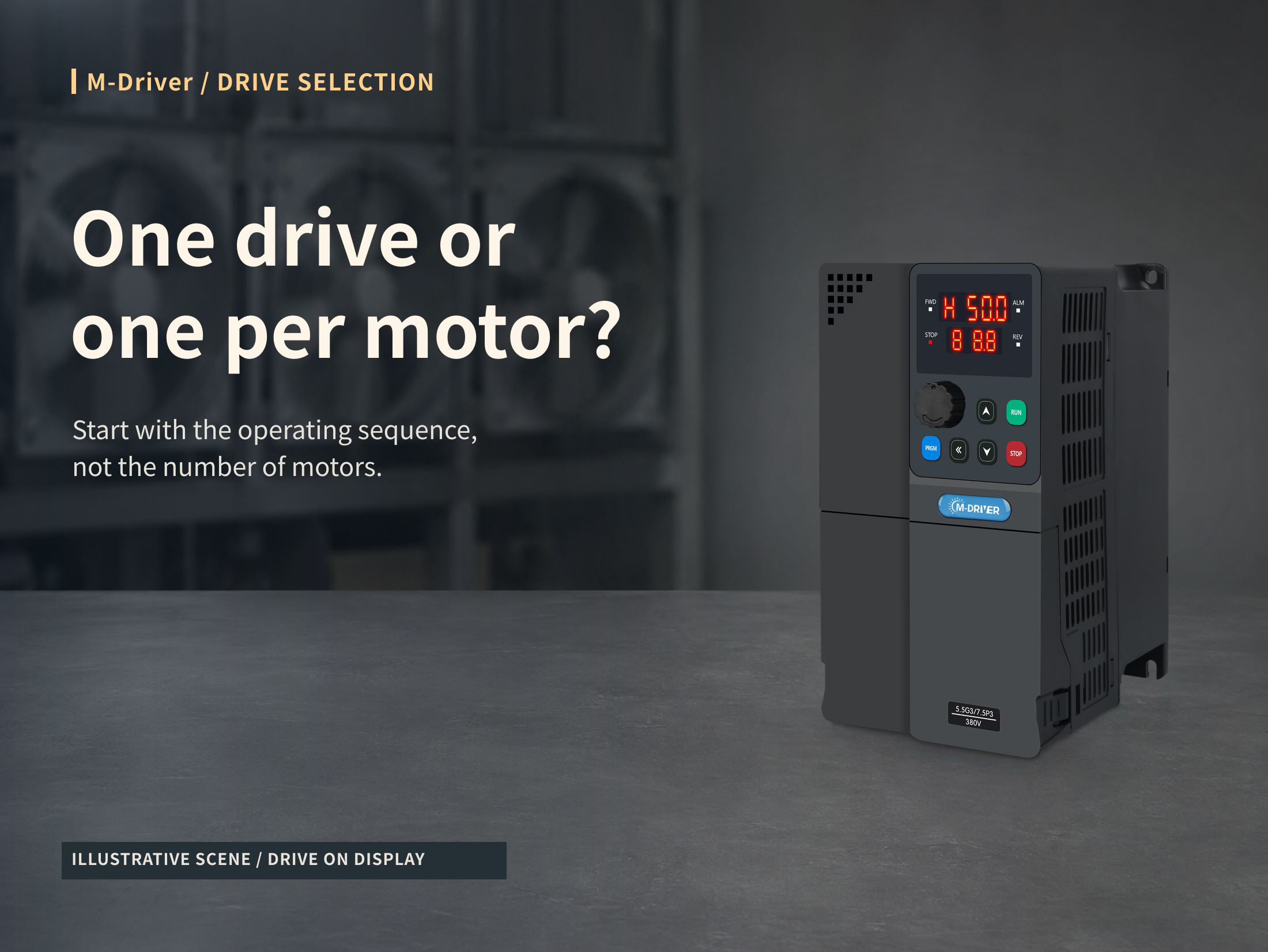
Consider one VFD for multiple motors only if the induction motors can share one speed command, the process can accept a group stop, and each motor can be protected individually. If the process requires independent speed commands or some motors must stay available after another drive fails, use one drive per motor as the baseline for the quote. A shared variable frequency drive (VFD) is not a way to get independently controlled outputs.
Consider a drying section with three identical induction-motor fan modules. If all three serve one air zone and run to the same command, a shared drive may fit the brief. If one module serves a different zone or the line must continue with two modules while the third is serviced, the same motor list can lead to a different design. Decide how the machine must behave before comparing hardware.
When can multiple motors share one VFD?
Start with the operating sequence. List which motors are expected to start together, what each is doing at the lowest approved operating speed and how the machine stops at the end of a batch. Motors that run together for most of the shift but need separate cleaning or production speeds might not be a good group. Include those less frequent states in the quotation instead of treating them as commissioning exceptions.
A shared output gives the connected induction motors the same electrical frequency. That does not guarantee the same shaft speed: pole count and load-dependent slip can differ. Two sections that need a fixed speed relationship to protect a web or maintain registration require a separate motion review. Likewise, multiple motors driving one common mechanical load can raise a torque-sharing question. Neither is assumed to be solved by the shared-drive approach described here.
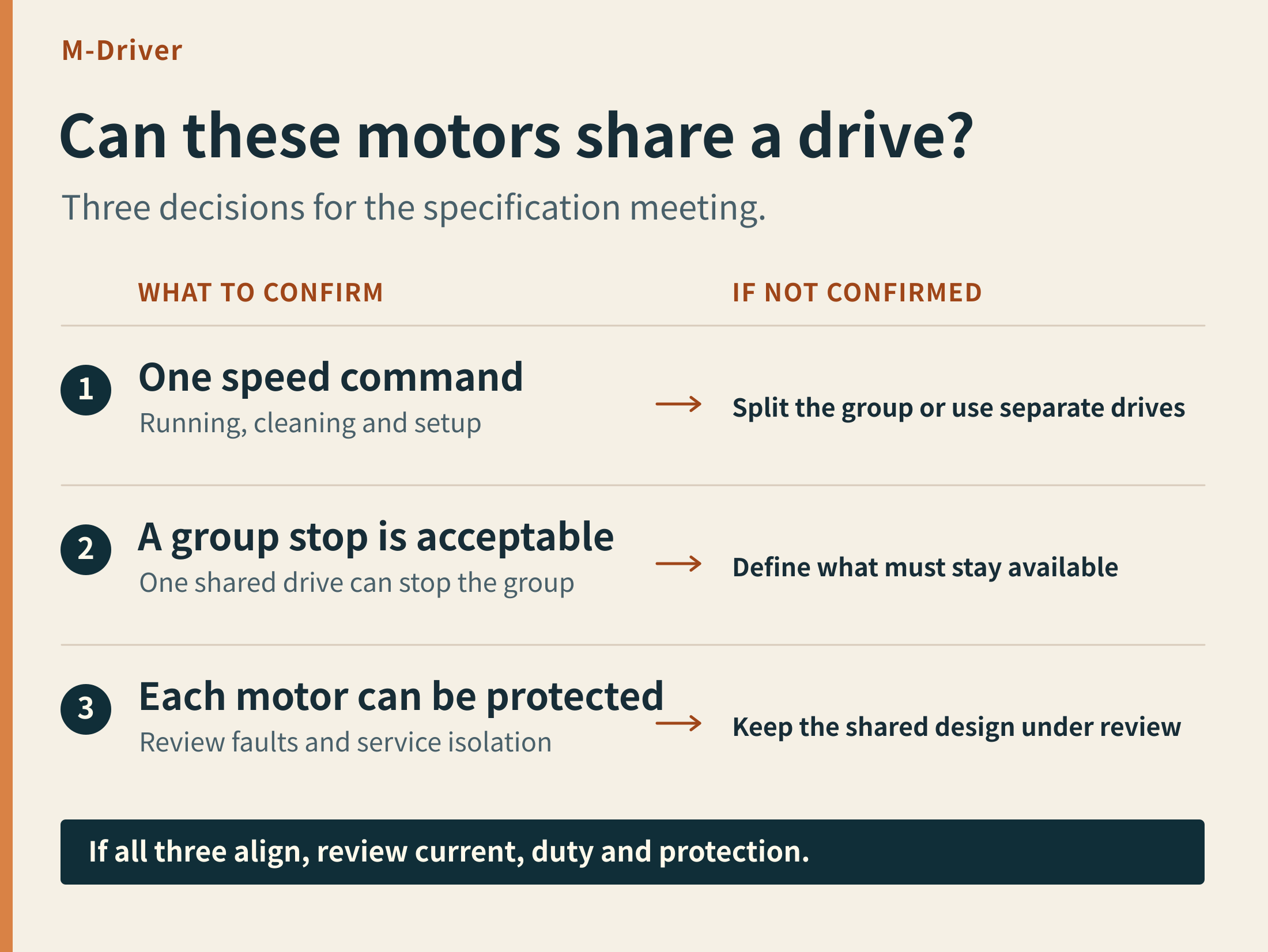
Three decisions that narrow the options
| Question for the machine builder | Consequence for the quote |
|---|---|
| Is there one speed command in every production and setup state? | If not, price independent drives or split the machine into groups with genuinely shared duties. |
| Can the entire group stop when the drive trips? | If not, define what must remain in service and price an architecture that supports the required availability. |
| Can each motor be protected and serviced as the application requires? | If not established, treat shared operation as an open engineering item rather than an approved option. |
A group can be smaller than the machine. For example, two identical circulation modules may share a duty while a separate exhaust module needs its own control. Quoting that arrangement alongside the all-shared and all-independent options can make a real operating difference visible without adding equipment the process does not need.
Size for the duty and protect each motor
For sizing a VFD for multiple motors, supply the rated current, voltage, motor type and application duty of every motor. The combined nameplate currents of the motors that run together are an initial screening input, not a finished rating. The selection must also account for simultaneous acceleration, overload duration, the allowed operating range and the drive's available output at the actual cabinet conditions. A nominal power label alone does not capture these constraints.
Ask about the maximum load the group sees during a normal shift and what happens after a short interruption. A restart request with fans still turning is a different condition from a normal start at standstill. Identify which operating states the machine requires and which ones it can prevent. Have the drive supplier and machine designer agree on the approved sequence and what happens when that sequence cannot be completed.
For a shared VFD, individual motor overload protection is a design item. The drive sees the combined output current, so a heavily loaded small branch can be masked by light load on the other motors. Specify how each motor is protected and how an overload is reported and handled. The agreed response could stop the group or follow a different engineered sequence. Do not assume the remaining motors can simply keep running, or that a motor can be added to an active output.
Include the cables and control limits
Provide actual branch cable lengths, planned routes and motor locations. Ask the drive supplier how the total cabling and branch arrangement are assessed for the chosen equipment and whether any output treatment is required. A long branch or a large combined cable exposure can affect suitability even when the current estimate looks reasonable. Ask which control method is approved for the proposed group; don't assume a mode suited to one identified motor will behave the same with several.
How do you compare shared and individual drive quotes?
When comparing industrial AC drives, ask for the scope on both sides of the comparison. The shared-drive option may reduce the number of drives, but the branches still need reviewed protection, the cabinet still needs thermal and service access, and the group shares one point of failure. Separate drives let the machine designer specify separate speed references and fault responses, but separate drives do not by themselves make the machine redundant. The rest of the control and safety design still has to support the required behavior.
Ask each bidder to state what is included for protection and fault signaling, what assumptions were used to size the cabinet, and what the factory acceptance test will actually demonstrate. If one quote includes motors, output accessories and acceptance testing and another does not, the price difference says little about the architecture. Confirm who owns the interface with the existing machine controller.
Agree what maintenance staff need to see at the operator station. A single group alarm may be acceptable if the whole process stops and the affected branch is identified locally. If the site has several similar machines and only a short maintenance window, branch-specific identification may matter more than a difference in drive count. Make it part of the scope before the bids are compared.
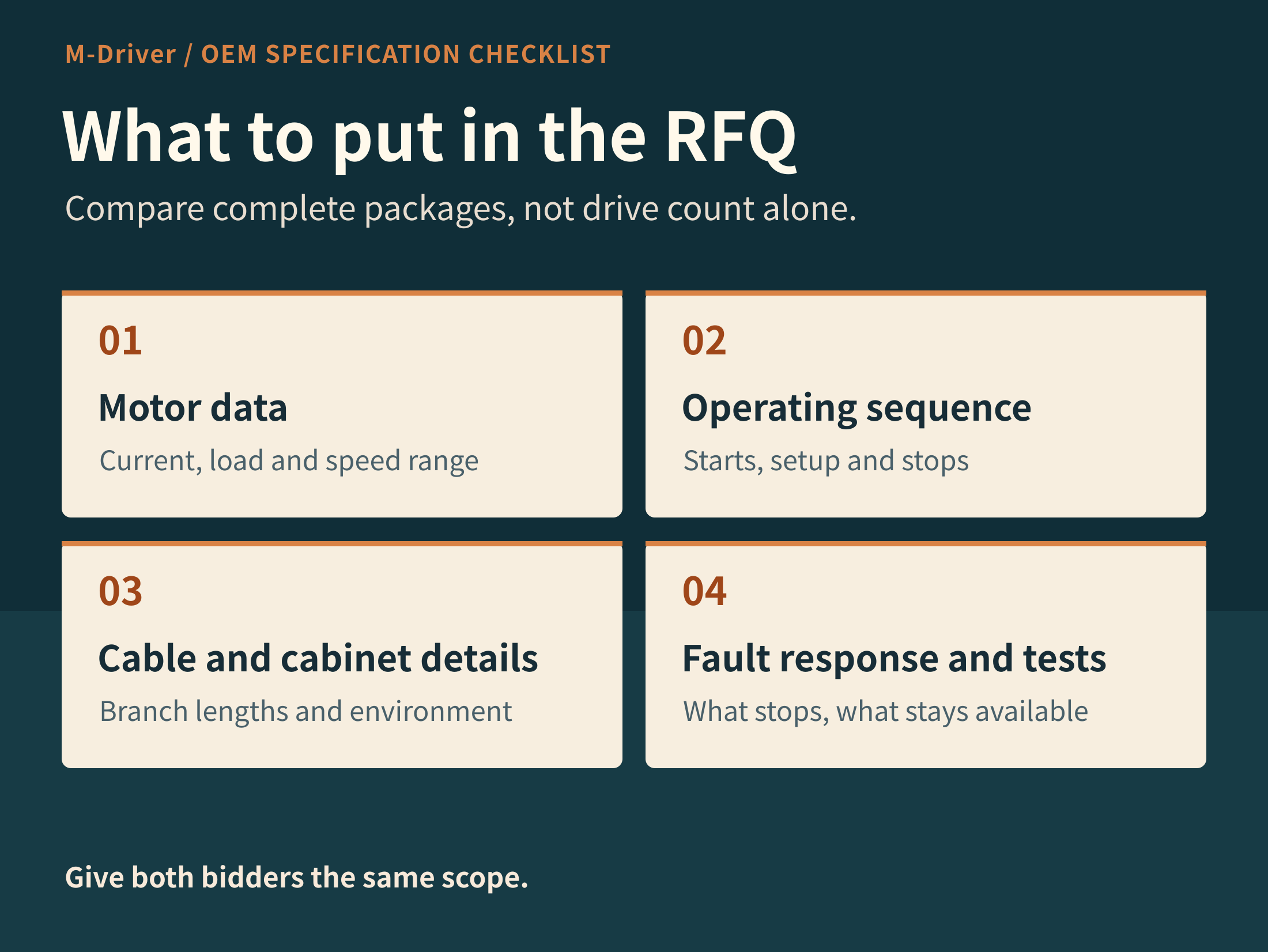
A short request for quotation checklist
Give the bidders the motor list, duty and speed range; the production and cleaning sequence; simultaneous starts and stops; cable lengths and environment; and what production should do on a motor or drive fault. Ask for a written list of assumptions and excluded items. Have the project team review any planned output switching, maintenance isolation and restart logic separately. That review is not a field instruction, and it should take place before the system is built.
Agree the acceptance conditions before placing the order. A useful demonstration includes normal acceleration with the expected load, stable operation at the lowest approved group speed and a controlled demonstration of the agreed fault response. Ask how those outcomes will be documented and who will sign off on them. Run tests only under the site's approved procedures with guards and protective functions in place.
Frequently Asked Questions
Can one VFD run two induction motors of different sizes?
It may be possible in an engineered arrangement, but the number and size of the motors do not settle the question. Both motors have to suit the same frequency command and operating range, and each must be protected. Have the selected drive and branch design reviewed against the combined duty before ordering.
Will motors on the same VFD turn at exactly the same speed?
Not necessarily. The shared electrical frequency is not a measurement of shaft speed. Movement can differ with motor pole count, load and slip. If speed matching is essential, specify how shaft speed will be verified and consider an architecture with separate feedback and commands.
What should I send if I have not decided which layout to use?
Start with the motor list and an operating sequence that covers normal running, setup and faults. Then contact M-Driver to discuss which assumptions need to be resolved before the two layouts can be quoted on equal terms.